 Blogging is one of the major pillars of our social media-driven awareness-raising and educational work. More than any other social media platforms that we use, blogging empowers us to present in-depth articles, op-eds, and interviews that go beyond the soundbites. As we grew as an anti-VAW organisation, we have gradually focused our blogging efforts on interviews to help activists, allies, and survivors tell their stories and share their ideas with others first-hand.
In 2018, we marched on with our annual interview-format blogging campaigns:
- Our long-running monthly Inspirational Interview series highlighting the excellent but little-known work of many anti-VAW activists and organisations from around the world
- Our 4th annual Survivors Stories series which is a safe, structured platform for survivors of all forms of VAW to share their experiences as well as encouragement and ideas for women who are still facing the violence.
- Our 5th 30 For 30 Father’s Day series which is a platform for dads worldwide to speak out about sexism, misogyny, and violence against women in the gaming community and industry.
Together, these interviews form an inspirational tapestry of ideas, stories, and calls-to-action from remarkable individuals, communities, and allies that are at the front lines of bringing the change that is so desperately needed to end VAW.
If you have missed any of our blog interview campaigns this year or are new to The Pixel Project’s work, this selection of this year’s 16 best Pixel Project blog interview articles of 2018 will be a great starting point. We hope that the stories we shared motivate you to join the effort to end VAW.
It’s time to stop violence against women. Together.
Written and compiled by Regina Yau. Introduction by Regina Yau.
____________________________________________________________________
Pixel Project Blog Interview Selection #1: Inspirational Interview – Dr Angela Jay, Australia
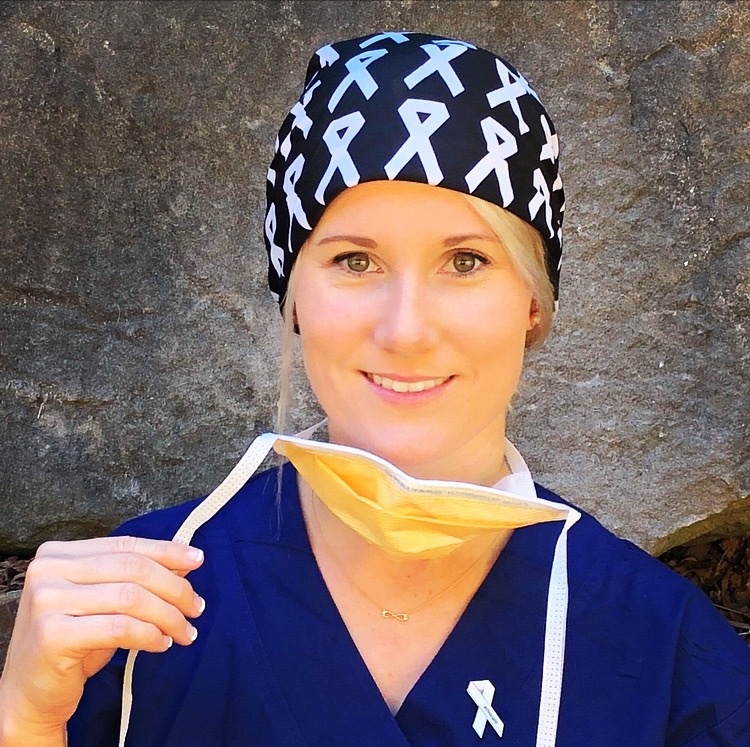 Dr Angela Jay has a master’s degree in reproductive medicine and is an advocate for White Ribbon Australia, a campaign battling violence against women. Angela is also a personal survivor of violence against women, escaping attempted murder at the hands of a man she briefly dated. She has had the honour of speaking at several events addressing domestic violence, including the 2017 White Ribbon Breakfast in Australia’s Parliament, engaging the nation’s leaders about the significance of VAW in the Australian community. When speaking to The Pixel Project about the role of healthcare providers such as doctors in tackling VAW, she said: “Our role to support victims and survivors of VAW extends well beyond simply providing medical treatment. When faced with a disclosure of violence or abuse, it is vital to respond appropriately and with an empathetic, non-judgmental attitude. […] I believe it is also a doctor’s duty to consider safety planning and assist with referrals to police, specialised domestic violence services, legal aid, and other support agencies when accepted. In some circumstances, particularly when children are involved, health professionals may be obligated by local mandatory reporting requirements to involve Community Services to help ensure safety and well-being.
Pixel Project Blog Interview Selection #2: 30 For 30 Father’s Day Interview – Christopher Golden, United States of America
 Christopher Golden and his wife Connie are the parents of Nicholas (24), Daniel (22), and Lily (15), all of whom are profoundly unimpressed with their New York Times bestselling, Bram Stoker Award-winning dad, whose novels include Ararat, Snowblind, Dead Ringers, Of Saints and Shadows, Strangewood and many others. He is also an editor, screenwriter, speaker, teacher, comic book writer and podcaster, among many other things. When talking about the role of dads in helping to stop VAW, he said: “We must lead by example. We must speak in the face of injustice. Elevate and amplify the voices of women instead of speaking for them. Show boys and young men that you respect a woman’s right to be her own champion. Listen to her, and make sure they do as well. Define her by her ideas and accomplishments and hopes and quirks, not by her hair or her weight or her shape. Draw attention to the way in which society commodifies women’s appearance and how detrimental that is to individual and national psychology. Don’t stay silent when others spout ignorance. Redefine manhood, and let the women in your life create their own definition of what it means to be a woman.” Christopher is also a Read For Pixels author and has spoken more extensively about the role of men and boys in stopping VAW via his Read For Pixels Google Hangout.
Pixel Project Blog Interview Selection #3: 30 For 30 Father’s Day Interview – Dan Wells, United States of America
 New York Times bestselling author Dan Wells is best known for his horror series I Am Not a Serial Killer, of which the first book is now an award-winning movie through IFC Midnight. His other novels include The Hollow City, Extreme Makeover, and two science fiction series: Partials and Mirador. He co-hosts the Hugo-winning podcast for aspiring writers called Writing Excuses. He has written for television and the stage and he writes short fiction and game fiction. Dan lives in northern Utah with his wife, six children, and more than 400 board games. When talking about the role of dads in helping to stop VAW, he said: “The first thing we do is to always model good behavior. My sons have never seen me mistreat, yell at, strike or otherwise abuse my wife or my daughters, and they never will. They HAVE seen me love them, respect them and treat them like equal partners in our family and our lives.” Dan is also a Read For Pixels author and has spoken more extensively about the role of men and boys in stopping VAW via his Read For Pixels Google Hangout.
Pixel Project Blog Interview Selection #4: Read For Pixels Interview – Faith Hunter, United States of America

New York Times bestselling author Faith Hunter writes three series: the Jane Yellowrock series, dark urban fantasy novels featuring Jane, a Cherokee Skinwalker; the Rogue Mage novels, a dark, urban fantasy/post apocalyptic series and role playing game featuring Thorn St. Croix; and the Soulwood series featuring Nell Nicholson Ingram. During her Read For Pixels interview, Faith said: “I worked in a hospital lab for 40 years. I was part of the evidence collection for rape victims. It was horrible. Utterly horrible, what victims have to go through, even after an assault. Throughout my entire life, I’ve seen abusive relationships, and not just abusive men, but abusive women too. It’s a human problem, a victim problem, not just a women’s problem. That said, I have female writer friends who have suffered abuse and who have been dragged through the dirt, vilified, threatened, and abused again when they speak up against their accusers in the publishing arena. It’s my job as a human being to stand with them when they name names and call the guilty accountable. It’s all our jobs. We have to get off our asses and fight to be human. Together.”
Pixel Project Blog Interview Selection #5: Read For Pixels Interview – Ian Whates, United Kingdom
 Ian Whates is the author of seven novels, the co-author of two more, and editor of thirty-odd anthologies. Seventy of his short stories have appeared in various venues and his work has been shortlisted for the Philip K Dick Award and twice for the BSFA Awards. In 2006, Ian founded award-winning independent publisher NewCon Press by accident. In his Read For Pixels interview, he talked about what publishers can do to stop VAW, saying: “Publishers, particularly when they are as niche as my own, have very limited influence on the world, but that’s not the same as having no influence. There is an onus on us to behave responsibly in selecting what we publish; by ensuring that unacceptable behaviour is either omitted entirely or shown to be unacceptable and portrayed in a light that vilifies both the act and those who resort to it, we can make a difference. A very small difference perhaps – a drop in the ocean – but the cumulative effect of enough drops over time can contribute to change.”
Pixel Project Blog Interview Selection #6: Inspirational Interview – Jaf Shah, United Kingdom
 Jaf Shah is the executive director of Acid Survivors Trust International. He started as a programme manager working on projects in South Africa for a charity whose patrons included Nelson Mandela and Desmond Tutu. He has implemented multiple British government- and UN-supported projects. He was an award panelist for Stars Foundation Impact Awards, which awards grants to not-for-profits that evidence impact in delivering protection and health of children in low-income countries. When speaking about what can be done to end VAW, he said: “I believe to bring about an end to violence against women requires a major change in attitudes and behavior across all levels of society, at an individual, family and community level. However we have a responsibility to challenge government and states to take a leading role in its obligation to end violence against women. This means holding governments to account by passing laws, enforcing laws and running wide scale educational programmes from an early age address violence against women.”
Pixel Project Blog Interview Selection #7: 30 For 30 Father’s Day Interview – Jim C. Hines, United States of America
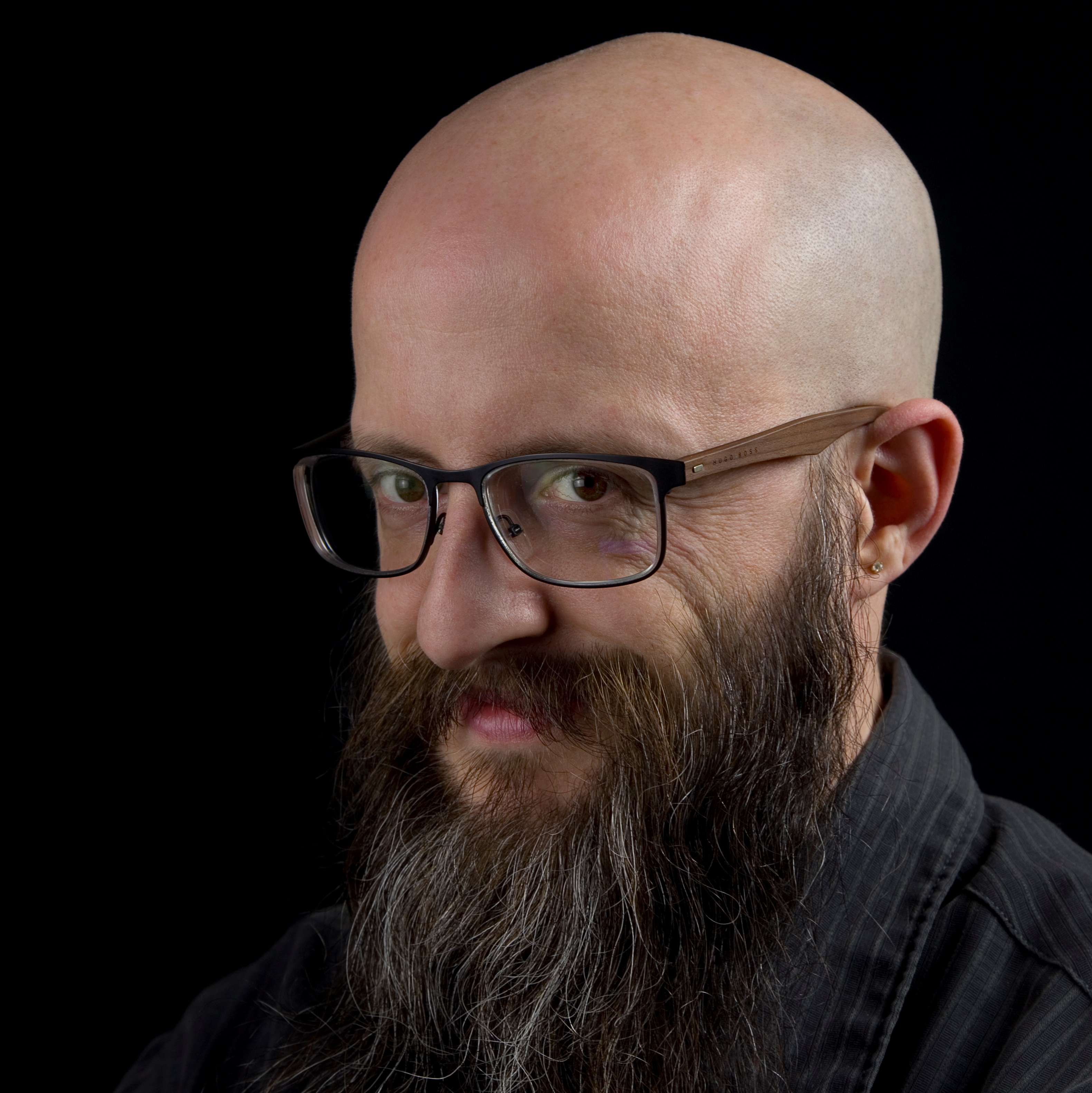 Jim C. Hines is an author and stay-at-home dad to his 12-year-old son and 17-year-old daughter. His published science fiction and fantasy books include the Goblin trilogy, the Princess series, the Magic ex Libris books, and his new novel Terminal Alliance, the first in a trilogy about space janitors. In his interview with The Pixel Project, he said: “I’ve tried to teach both of my children about consent in various ways over the years. Letting them know they have the right to say no, even to things like being tickled or hugged or photographed. Emphasising that they have to respect when other people say no as well. In terms of helping the next generation become aware of and step up to try to stop violence against women, I feel like my job is to educate them about the problem. Particularly for guys, it’s so easy to close our eyes and pretend the problem doesn’t exist.” Jim is also a Read For Pixels author and has spoken more extensively about the role of men and boys in stopping VAW via his Read For Pixels Google Hangout.
Pixel Project Blog Interview Selection #8: Survivor Stories Interview – Julie Owens, United States of America
 After surviving domestic violence, Julie Owens left her work in special education to develop domestic violence hospital trainings, an ER crisis team, and a transitional shelter. She later directed domestic violence trauma research at the National Center for PTSD, coordinated domestic violence efforts in a mental health system, counseled substance using victims, and oversaw victim service agencies. When talking about how communities can end VAW, she said: “We need a major paradigm shift in the world, away from domination and coercive control of women by men, to full gender equality and true partnership. Without this, the abuse of women will never stop. We will just be putting Band-Aids on the wounds – treating the symptoms, not getting at the root of the problem, which is the historical domination of women by men. It took me years to understand this, but this is what underpins all violence against women. Achieving gender equality and true partnership will free both women and men, and children, to live fully and freely in peace. It will bring healing to the world and to our planet.”
Pixel Project Blog Interview Selection #9: Survivor Stories Interview – Leah Zeiger, United States of America
 Leah Zeiger is a dancer, activist, writer, and survivor. She founded The Sunflower Project, an organisation that uses dance and other forms of art to help heal survivors of gender based violence. She is the co-director of the documentary Untold – a film about her experience with abuse. In her interview with us, she talks about the importance of consent and sex education as part of eradicating rape culture: “We need sex education, we need relationship education, we need parents to explicitly tell their children what rape is and explain the nuances of consent. We need to stop pretending like we aren’t hurting our children by declining them knowledge. We need to own up to the reality that our children will face, and then we need to actually prepare them for it.”
Pixel Project Blog Interview Selection #10: Inspirational Interview – Naomi Mwaura, Kenya
Naomi Mwaura, the founder of Kenya’s Flone Initiative which focuses on addressing violence against women in Kenya including street harassment and workplace harassment in the public transportation industry. She is among seven African women to be named as “BBC 100 Inspirational and Influential Women” in 2017. When speaking about how men and boys can help stop VAW, she said: “We can help men and boys do so by supporting them in identifying when violence against women and girls is being perpetrated and actively responding by strongly condemning perpetrators of violence. An operator who previously incited others against young women he thought were “indecent” now mobilises other male operators to attend the Usalama wa Uma training, and educates others on the need to respect female clients.”
Pixel Project Blog Interview Selection #11: Inspirational Interview – Noorjahan Akbar, Afghanistan

Noorjahan Akbar is an outspoken women right’s advocate and author from Afghanistan. She has worked with several Afghan and global organisations focusing on women’s empowerment and ending gender-based violence and led nation-wide campaigns and protests in defense of human rights. She currently runs Free Women Writers, a collective of activists and writers in Afghanistan and the diaspora advocating for gender equality and social justice. Speaking about how individuals and communities worldwide can support efforts to end VAW, she suggested that the general public “amplify the voices of survivors and donate to organisations that work on this issue. Women’s rights organisations are still among the least funded organisations in the world. This often leads to women’s organisations competing over little resources instead of working together to fight challenges. Let’s work together to change this. Working for women’s rights is dangerous, tiring, and long term. We can’t expect activists to continue to put their mental health and well-being and their livelihoods on the line in order for women to have more rights. If you can donate 5 dollars do it. Every small donation goes a long way because most women’s rights organisations are frugal in resources. Do your research and support organisations that have brought about change in your local community as well as around the world.”
Pixel Project Blog Interview Selection #12: 30 For 30 Father’s Day Interview – Paul Tremblay, United States of America

Paul Tremblay has won the Bram Stoker, British Fantasy, and Massachusetts Book awards and is the author of The Cabin at the End of the World, Disappearance at Devil’s Rock, A Head Full of Ghosts, and The Little Sleep. He is currently a member of the board of directors of the Shirley Jackson Awards, and his essays and short fiction have appeared in the Los Angeles Times, Entertainment Weekly.com, and numerous “year’s best” anthologies. When speaking about dads stopping VAW, he said: “I have talks with my son about women and dating, and empathy for others in general. Every father-son relationship is different and there’s always going to be some level of discomfort when talking about difficult subjects, but (and I’m saying this here to remind myself) you should push through that discomfort and make sure there’s an ongoing dialogue. I listen to what he has to say in response while hopefully teaching him to listen to the women in (and out) of his life.” Paul is also a Read For Pixels author and has spoken more extensively about the role of men and boys in stopping VAW via his Read For Pixels Google Hangout.
Pixel Project Blog Interview Selection #13: Inspirational Interview, Susan Jack, Scotland
 Susan Jack trained as a nurse at The Western Infirmary and then completed a degree in history and social policy at the University of Glasgow. Following a year of work in the social policy department, Susan took up her post as a training & development worker with Glasgow Women’s Aid in 2002 where she has been working to stop VAW until today. When speaking about the role of men and boys in stopping VAW, she said: “We really need to hear their voices speaking out against violence. Most men are not abusers and we need to hear from them. Language and attitudes feed into violence against women, so jokes about rape and ‘banter’ have serious consequences. Boys and men should feel able to call out their peers on such behaviour and language. This isn’t necessarily easy, but would have a positive impact.”
Pixel Project Blog Interview Selection #14: Inspirational Interview – Suzanne Dubus, United States of America
 Suzanne C. Dubus joined the Jeanne Geiger Crisis Center in 1995 and has served as its CEO since 1998. A survivor of domestic violence, she understands what it means to be inside an abusive relationship. That perspective and her innovative vision have driven her to revolutionise the paradigm of domestic violence (DV) work on a national scale. During her interview with The Pixel Project, she talked about the ways boys and men can help to end VAW, saying: “Boys and men have the opportunity to help in many ways! The first is to educate themselves on the issue of male privilege, patriarchy and sexism and do their own work about defining what kind of man they want to be. Second, speak out against abuse when you see it and hear it. Third, partner with the women and girls and organisations already doing this work and ask what is needed.”
Pixel Project Blog Interview Selection #15: Survivor Stories Interview – Traci Powell, United States of America
 Traci Powell is a nurse practitioner who has cared for critically ill newborns for over 20 years. As a survivor of child sexual abuse, she never told anyone what happened to her until she began her recovery journey in 2014. Understanding the importance of survivor connection in healing, Traci founded Voices in the Silence to empower survivors of sexual abuse to transform and break free from the past through education and peer support. When talking about how society can stop VAW, she said: “The sad truth is this issue is not going to go away for a very long time, if ever. Perpetrators live among us. We need to teach our daughters about appropriate touch and make sure they know it is safe to tell, even if someone tells them not to. We need to teach our sons to be respectful of women. We need to teach parents that paedophiles don’t come in monster costumes and the signs of grooming by a perpetrator. Most of them come in the form of a friendly coach, teacher, neighbour, uncle or other close relationship. We need to teach our young women how to stay safe.”
Pixel Project Blog Interview Selection #16: Inspirational Interview – Urmilla Pullat, India
 Urmilla Pullat is a lawyer and researcher who runs the India desk for the Asian Human Rights Commission (Hong Kong). Currently seconded to India, she works on rule of law and human rights issues intersecting with criminal justice reform, with a focus on police torture and custodial violence. Urmilla runs the website project How Revealing, an online repository of experiences of gender-based violence, and is working to contribute toward changing the narrative surrounding gender justice and sexual assault, mainly in India. When talking about her anti-VAW activism, Urmilla said: “The current solution to gender disparity and gender-based violence is significantly limited because it is seen as a women’s issue. The main challenge is to reframe it, to contribute towards changing the narrative to make it everyone’s issue. […] What I have learnt is that it is important to keep running campaigns around specific areas of sexual violence, to nudge people into knowing its relevance for them, and that constant media engagement is necessary and crucial to keep normalising the act of disclosure and seeking support.”
____________________________________________________________________
Photo Credits:
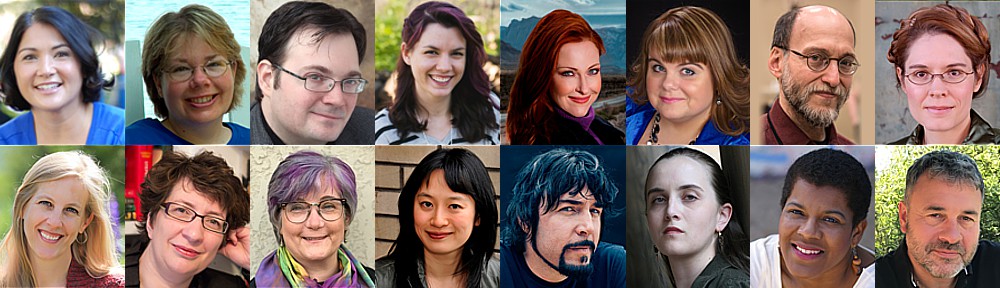
- Dr Angela Jay – Courtesy of RANZCOG
- Christopher Golden – Courtesy of Christopher Golden
- Dan Wells – Courtesy of Dan Wells
- Faith Hunter – Courtesy of Faith Hunter
- Ian Whates – Courtesy of Ian Whates
- Jaf Shah – Courtesy of Acid Survivors Trust International
- Jim C. Hines – Courtesy of Jim C. Hines
- Julie Owens – Courtesy of Julie Owens
- Leah Zeigler – Courtesy of Leah Zeigler
- Naomi Mwaura – Courtesy of the Flone Initiative
- Noorjahan Akbar – Courtesy of Free Women Writers
- Paul Tremblay – Courtesy of Paul Tremblay
- Susan Jack – Courtesy of Glasgow Women’s Aid
- Suzanne Dubus – Courtesy of the Jeanne Geiger Crisis Center
- Traci Powell – Courtesy of Traci Powell
- Urmilla Pullat – Courtesy of Urmilla Pullat

















 Alafair Burke is the New York Times bestselling author of eleven novels, including the standalone thrillers The Ex, Long Gone and If You Were Here, and the Ellie Hatcher series: All Day and a Night, Never Tell, 212, Angel’s Tip, and Dead Connection. She is also the co-author of the Under Suspicion series with Mary Higgins Clark. A former prosecutor, she is now a professor of criminal law and lives in Manhattan. When talking about the failure of the justice system to effectively address VAW, she said: